You wake up at 7, you’re at your desk by 9, meetings run till 6, and by the time you’re home, the couch wins. Sound familiar?
You’re not lazy, my friend. You’re just busy.
I’ve been there too. Planning perfect workouts on Sunday and then abandoning them by Wednesday. But here’s what changed things for me: I stopped trying to find more time, and started using the time I already had.
Don’t worry, this blog isn’t about extreme routines or unrealistic discipline. It’s about quick workouts for busy people that actually fit into your real life. Here are 5 lessons that will genuinely change how you think about fitness at work.
5 Simple Quick Workouts for Busy People
Instead of trying to follow ideal routines, these are the shifts that actually make fitness possible in a busy life.
1. You Don’t Need an Hour, You Need Consistency
We’ve been conditioned to think a “real workout” means at least 45–60 minutes. But honestly? That belief is what stops most people from even starting.
If your day is packed, 10–20 minute workouts are more than enough, especially if done consistently. Your body responds more to regular movement than occasional long sessions.
Think about it this way: Would you rather do 60 minutes once a week or 15 minutes five times a week? Exactly!
Short workouts also reduce mental resistance. When something feels easy to start, you’re more likely to stick to it long term.
On days when I have back-to-back work calls, I squeeze in a 15-minute routine between tasks. No overthinking. No changing into fancy gym clothes. Just movement.
2. You Don’t Need a Gym to Stay Fit
One of the biggest blockers? The idea that workouts must happen in a gym. They don’t. Your living room, bedroom, balcony, all valid workout spaces. However, if you plan to join a gym and are unsure about from where to begin, here’s a quick blog on all women need to know about gym (beginner’s edition).
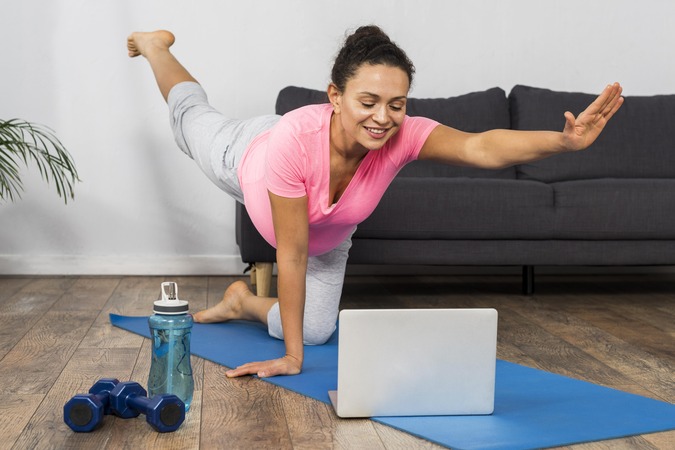
In fact, home workouts for busy people are often more sustainable because they remove friction. No travel time, no waiting for machines, no dependency on external factors. And when something is easy to access, you’re more likely to do it regularly.
Simple 15-minute routine you can try:
- Squats – 3 sets
- Push-ups (or knee push-ups) – 3 sets
- Lunges – 3 sets
- Plank – 30 seconds x 3
This covers strength, balance, and core, all in a short time.
Some of my most consistent workout weeks happened when I didn’t step into a gym at all. It made fitness feel less like a task and more like a part of my day.
3. Stop Waiting for Motivation, Start Anyway
This one is important. You’re not always going to feel like working out. In fact, most days, you won’t. And that’s normal.
The problem is, we often wait for motivation before starting, but motivation usually comes after action, not before.
The trick is to lower the entry barrier.
Tell yourself: “I’ll just do 5 minutes.”
Once you begin, your body warms up, your mind shifts, and continuing feels easier. That’s how small actions turn into full workouts.
Movement increases blood flow, improves mood, and boosts energy. So the energy you think you’re lacking? It builds once you start moving.
4. Fit Workouts Into Your Day Instead of Finding Time
Instead of asking, “When can I work out?” Ask, “Where can I add movement into what I already do?” This small shift changes everything. This is called habit stacking, and it helps you stay active without needing extra time blocks in your day.
Examples:
- 10 squats while waiting for coffee
- Stretching while watching Netflix
- A quick walk after meals
- 5-minute core workout before shower
- You’re no longer trying to “fit in a workout.”
- You’re making movement part of your lifestyle.
I started doing a short walk after dinner. It didn’t feel like a workout at all, but over time, it improved my energy levels and digestion.
5. Done Is Better Than Perfect
This is probably the most important mindset shift. A lot of us skip workouts because:
- “I can’t do a full routine today”
- “I missed yesterday, so what’s the point?”
- “I’ll start fresh next week”
That’s perfection talking. But perfection kills consistency. Instead, focus on showing up, even in small ways.
A 10-minute workout still counts. A walk still counts.
Stretching still counts. Because what you’re building is not just fitness, it’s a habit that fits your life.
Some days, my workout is just light stretching or a quick routine. But I still show up. And that’s what keeps me consistent over time.
A Simple Weekly Workout Plan Busy People Can Actually Follow
If you want something practical and easy to follow, here’s a simple structure:
- Monday – 15 min strength (lower body)
- Tuesday – 10 min walk + stretching
- Wednesday – 15 min upper body
- Thursday – Rest or light movement
- Friday – 15 min full body
- Weekend – Walk, yoga, or rest (your choice)
This kind of structure keeps things flexible while still giving you direction.
Why Quick Workouts for Busy People Actually Work (Even If They Feel “Too Small”)
A lot of people underestimate short workouts because they don’t feel intense enough. But here’s the truth: your body doesn’t measure time, it responds to effort and consistency. What Are the Benefits of Regular Exercise For Mental Health?
Quick Workouts for Busy People Work Because:
1. They Are Easier to Stick To
The biggest reason people don’t see results isn’t because their workouts are ineffective, it’s because they’re inconsistent. Long workouts can feel overwhelming, especially on busy days. And when something feels too big, we tend to avoid it altogether.
Short workouts remove that resistance. When a workout feels manageable, you’re far more likely to:
- Start it
- Finish it
- Repeat it the next day
- And that repetition is what actually creates results.
A simple 15-minute routine done regularly will always outperform a 1-hour workout you only manage once in a while.
2. They Reduce Decision Fatigue
After a long day, your brain is already tired. The last thing you want is to:
- Decide what to do
- Plan a routine
- Get ready for a full workout
That mental load alone is enough to make you skip it. Quick workouts even when you have a busy schedule simplify everything. There’s no overthinking. No planning. No pressure. You already know: “I just need 10–15 minutes.” That clarity makes it easier to start — and starting is the hardest part.
3. They Build Momentum Over Time
Small actions may feel insignificant in the moment, but they create momentum. When you show up for a quick workout every day, something shifts.
You stop thinking: “I need to work out.” And start feeling: “This is just what I do.”
That identity shift is powerful. Because once movement becomes part of who you are, consistency becomes effortless, not forced. And over weeks and months, those small workouts add up to real, visible changes.
4. They Support Your Mental and Emotional Health
Quick workouts are not just about physical fitness. Even 10–15 minutes of movement can:
- Improve your mood
- Reduce stress and anxiety
- Help clear mental clutter
- Increase your focus for the rest of the day
And when your life is already busy or overwhelming, this matters even more. Sometimes, a short workout isn’t about burning calories, it’s about resetting your mind.
The Real Magic: Small Efforts, Repeated Daily. Here’s what most people miss. It’s not the intensity of one workout that changes your body or your life.
It’s the consistency of small efforts over time. Quick workouts for busy people work because they are:
- Sustainable
- Repeatable
- Easy to integrate into your life
And when something is easy to repeat, it becomes a habit. That’s where real change happens — not in one intense session, but in the quiet, consistent ones no one talks about.
Final Thoughts: Keep It Simple, Keep It Real
If you take one thing from this blog, let it be this:
- You don’t need more time.
- You need a simpler approach.
- Stop chasing perfect routines you can’t sustain.
- Start with what feels easy:
- 10 minutes a day
- Simple exercises
- No pressure to do more
Because the goal is not to exhaust yourself. The goal is to build a routine that actually fits your life — and stays with you long term.
And once that happens, everything else becomes easier.
What Next?
If this made you rethink how you approach fitness, there’s more where this came from. Explore more posts on simple routines, realistic habits, and everyday self-improvement, or just come back whenever you need a reset. We’re figuring this out together, one small step at a time.
You Might Also Like to Read:
1. What Are the Benefits of Regular Exercise For Mental Health?
2. Yoga Breathing Exercises for Beginners: A Guide to Inner Calm